November 16, 2026
A garage door may open and close several times a day without much thought until it starts rattling, sticking, or refusing to move. Because the system includes heavy panels, tensioned springs, and electrical controls, some problems are more than an inconvenience. A sensible maintenance routine combines simple visual checks with timely garage door service from qualified technicians. These tips explain what homeowners can safely monitor and when professional help matters, with an emphasis on avoiding preventable damage and unnecessary risks.
Understand the Parts That Keep Your Door Moving
Recognize the Main Components
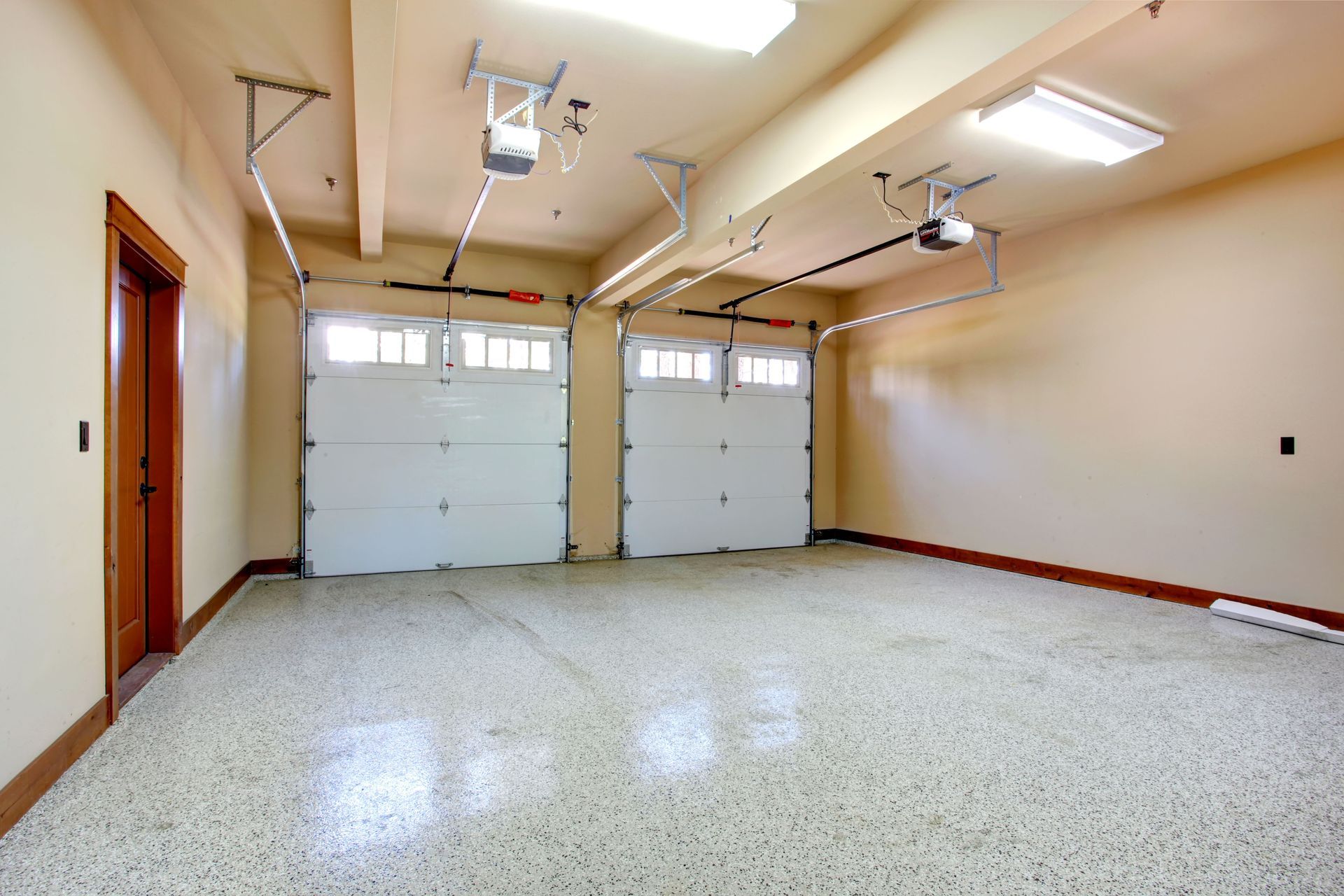
Springs counterbalance much of the door's weight, cables help support its movement, and rollers travel through metal tracks. Hinges connect the sections, while the opener moves a properly balanced door using a motor and drive system. Knowing these roles makes unusual sounds or movement easier to describe when you call for help. It does not mean every component is safe to adjust. Springs, cables, and some brackets can remain under dangerous tension even when the door is closed.
Consider How Materials Affect Maintenance
Steel doors may develop rust where their protective finish is damaged. Wood can need periodic refinishing and attention to moisture, while aluminum resists rust but can dent. Insulated doors may improve comfort in attached garages, although the benefit depends on the entire space. Check the manufacturer's care instructions before using cleaners or coatings. If panels look distorted or the door rubs against a track, request garage door service rather than trying to bend hardware back into place. Photograph visible damage from a safe distance so a technician can review its condition before arriving.
Clean and Maintain Accessible Parts
Clear Debris Without Changing Alignment
Leaves, dirt, and small objects can collect along the threshold or near the tracks. With the door fully stopped, clear loose debris from accessible areas and wipe the tracks gently if the manufacturer recommends it. Keep water away from the opener and electrical connections. Tracks generally should not be packed with grease, which can collect grit and interfere with roller movement. Never loosen track brackets or reach into moving mechanisms to clean them.
Lubricate According to the Manual
Some hinges, bearings, and metal rollers benefit from an appropriate garage door lubricant, but sealed rollers and other parts may require no added product. Follow the instructions for your specific system, applying only the recommended amount. A buildup of lubricant can attract dirt rather than solve a problem. Inspect weatherstripping at the same time for gaps, tears, or hardening. Replacing an accessible seal may help block drafts and water, but worn cables or noisy springs call for professional garage door service, not a spray can.
Check the Opener's Safety Features
Understand Automatic Reversal Protection
According to This Old House, garage door openers manufactured after 1993 use two automatic-reversal safeguards, commonly photo-eye sensors and pressure-sensitive reversal. Photo eyes detect an object crossing the beam near the floor, while contact reversal helps the door reopen after meeting resistance. Federal safety requirements strengthened entrapment protection in 1993, although compliant systems can use different approved designs. The important question is whether the safety features fitted to your opener work properly, not simply how old it looks.
Test Safely and Follow the Owner's Manual
Check the sensors for dirt or obvious obstruction and follow the manufacturer's procedure for testing both reversal functions. Keep people and pets well away from the moving door; never use a person to test the beam or contact response. If the manual is missing, find the opener model number and request testing instructions from its manufacturer. The Consumer Product Safety Commission recommends checking reversal performance monthly. If the door continues closing when a required safety device should stop it, discontinue automatic operation and schedule garage door service. Do not bypass sensors or increase closing force to overcome a failed test.
Recognize Problems That Need Repairs
Watch for Changes in Movement
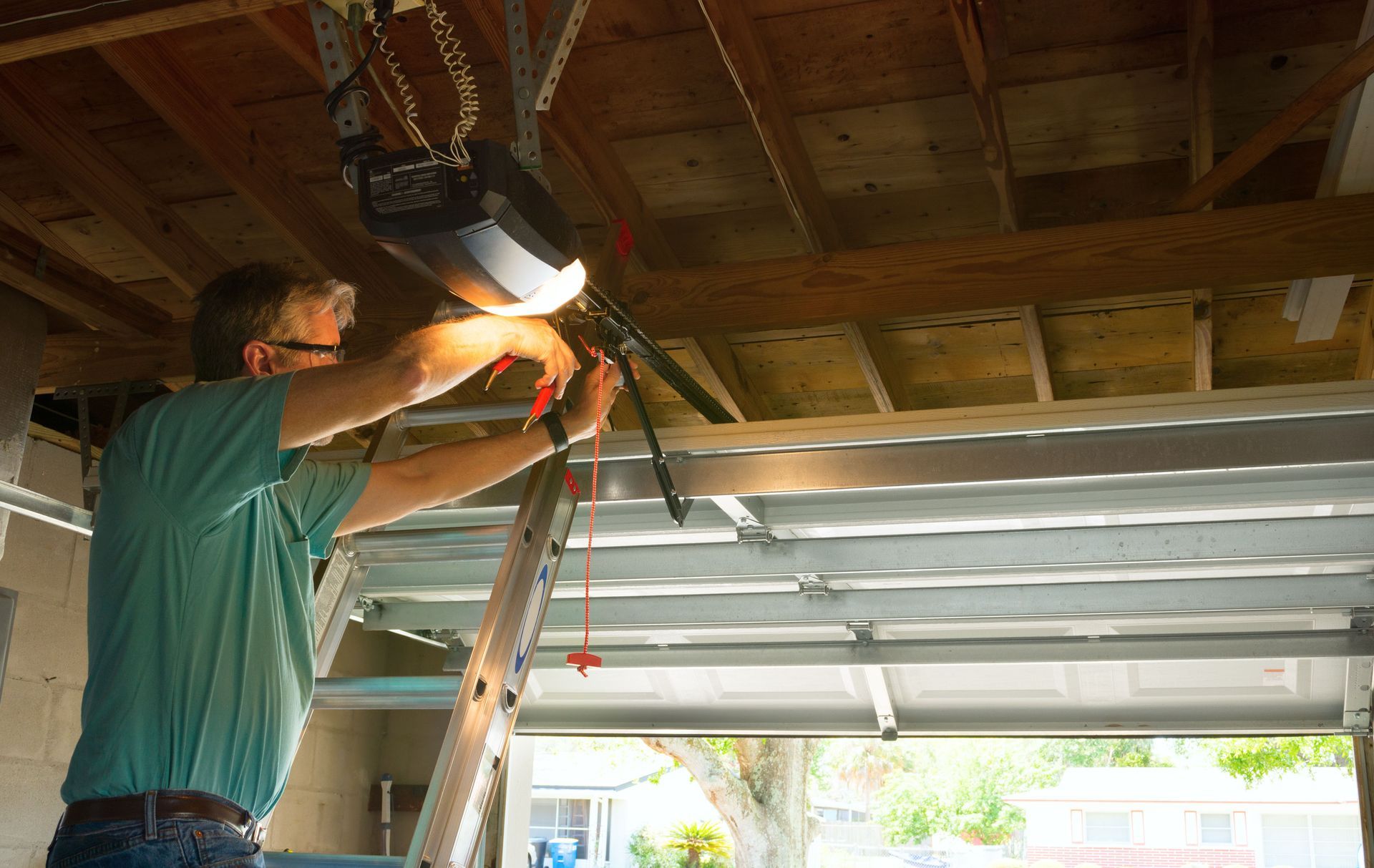
A door that jerks, tilts, scrapes, or suddenly becomes difficult to lift may have a balance or hardware problem. Gaps in a torsion spring, frayed cables, rollers leaving their tracks, and bent brackets are reasons to stop using the system. Do not attempt to replace springs, reposition cables, or loosen the brackets that hold them. These parts can release considerable force without warning, and an unstable door can fall unexpectedly. A trained technician can assess the cause before repairs begin.
Check Simple Opener Issues First
If the opener fails to respond, check whether the circuit has power, the remote needs batteries, or something blocks the photo eyes. Consult the manual before resetting controls or changing settings. Grinding noises, persistent reversals, or a motor that runs while the door stays still deserve professional attention. A garage door service appointment can distinguish an opener fault from a mechanical problem, preventing unnecessary replacement of a component that still works.
Adapt Your Checks to the Weather
Prepare for Cold, Rain, and Wind
Weather can reveal weaknesses in a garage door. Cold temperatures may make old seals stiff, while heavy rain can expose gaps near the bottom or sides. Look for standing water near the threshold, cracked seals, and rust beginning on exposed metal. Keep nearby drainage clear and touch up finishes according to the manufacturer's guidance. If water is entering despite intact seals, the surrounding grading or drainage may need attention beyond the door itself.
Notice Seasonal Wear Before It Gets Worse
Heat and repeated use can also reveal worn rollers, loose-looking hardware, or changes in how panels meet. Listen for new sounds and watch the door travel from a safe distance. Make a note of when symptoms occur, since that information can help a technician diagnose the issue. Seasonal garage door service is particularly useful when a door is used heavily or has a history of recurring problems. Avoid forcing a door that sticks or repeatedly reverses.
Know When to Call a Professional
Leave High-Tension and Electrical Work to Technicians
Broken springs, damaged cables, off-track doors, and electrical faults require more than routine homeowner maintenance. They involve heavy loads or energized equipment, and attempts to repair them without appropriate training can cause serious injury. The emergency-release cord deserves caution, too: follow the manufacturer's instructions and release the opener only when the door is fully closed unless a qualified technician directs otherwise. An unbalanced door may drop suddenly once disconnected from the motor.
Make Service Visits More Useful
Describe any unusual noises, the direction the door was moving when trouble began, and whether a safety test failed. Ask what caused the problem, which components need work, and what maintenance is appropriate afterward. A written explanation of recommended repairs can help homeowners make informed decisions without assuming the entire system needs replacement. Keep the manual and previous service records available, especially if you have an older opener or a door with repeated faults. For intermittent problems, a short video recorded from a safe distance may help show the issue. Never stand beneath the door while recording.
A dependable garage door needs safe operation more than constant tinkering. Clearing debris, inspecting seals, observing movement, and testing the opener according to its manual can uncover issues early. When springs, cables, sensors, or electrical parts need repair, trained help is the safer choice. For installation, repairs, or garage door service, contact Elite Garage Doors & Services to discuss the condition of your system and the next practical step.